
Hillside Erosion Control Solutions
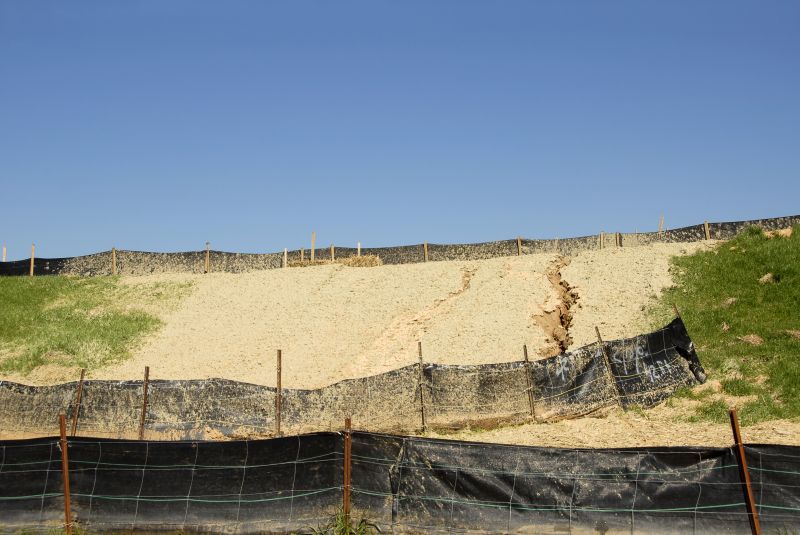
Implementing erosion controls in spring helps prepare slopes before heavy rainfall.
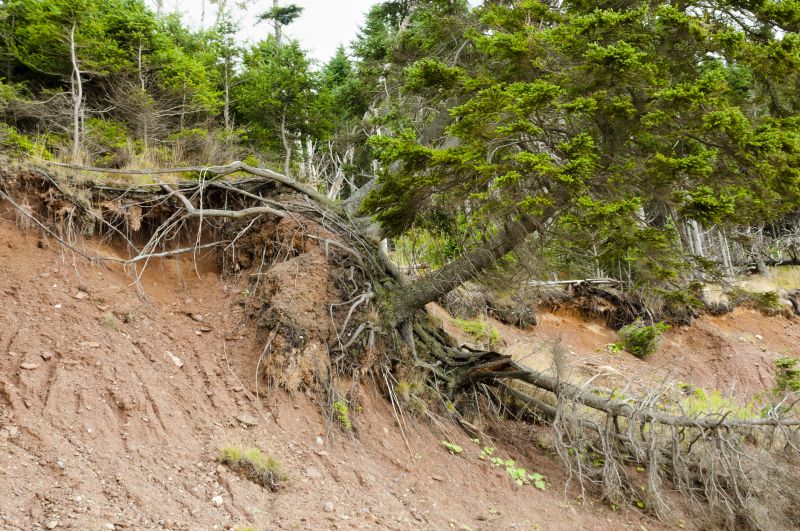
Summer is ideal for inspecting and maintaining erosion control measures during dry periods.
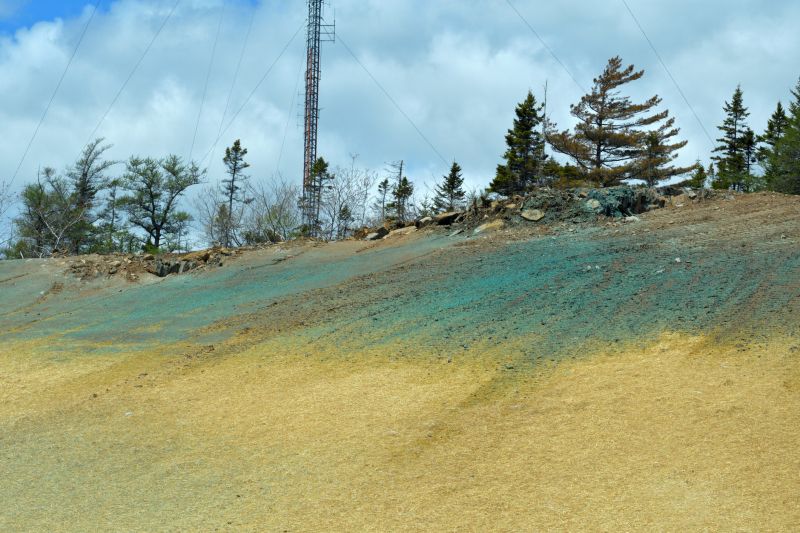
Applying erosion controls in fall ensures slopes are stabilized before winter.
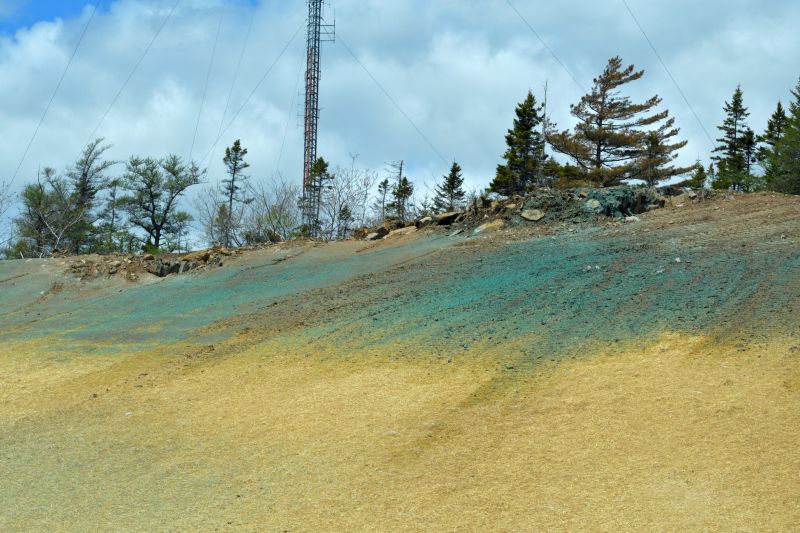
Ways to make Hillside Erosion Controls work in tight or awkward layouts.
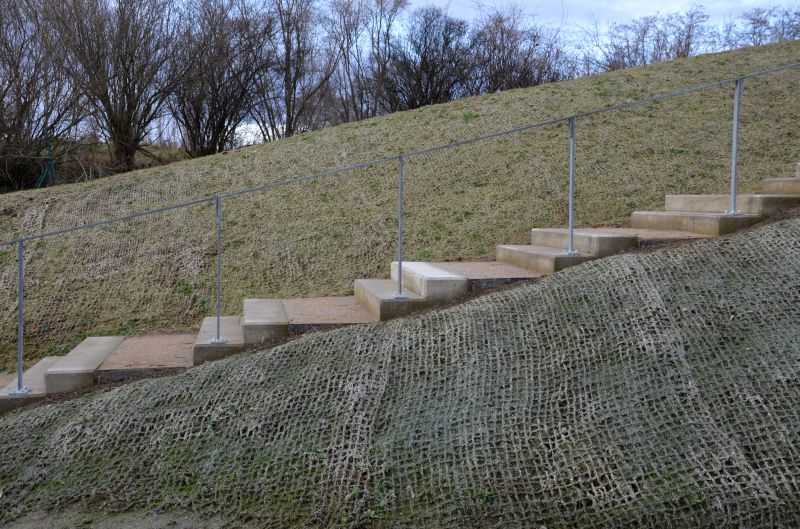
Popular materials for Hillside Erosion Controls and why they hold up over time.
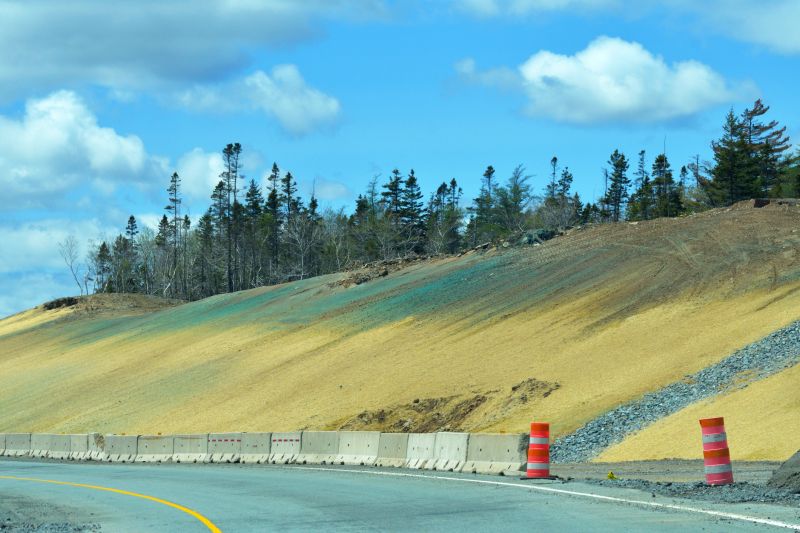
Simple add-ons that improve Hillside Erosion Controls without blowing the budget.
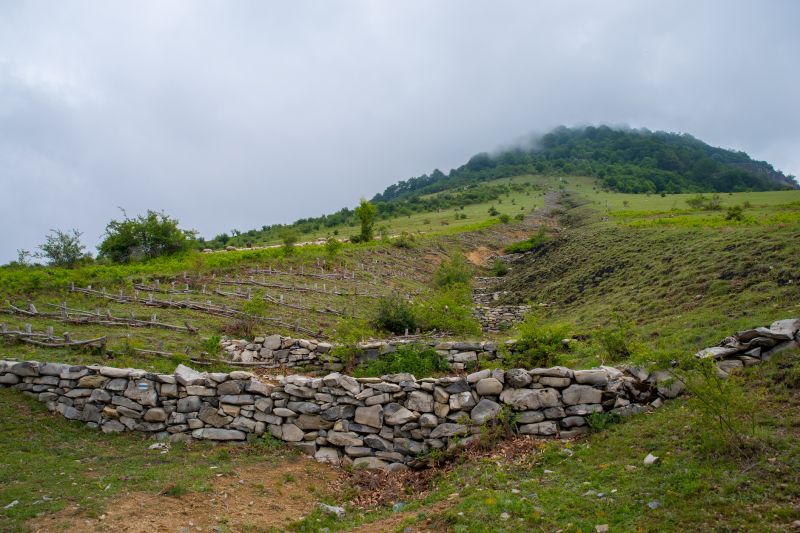
High-end options that actually feel worth it for Hillside Erosion Controls.
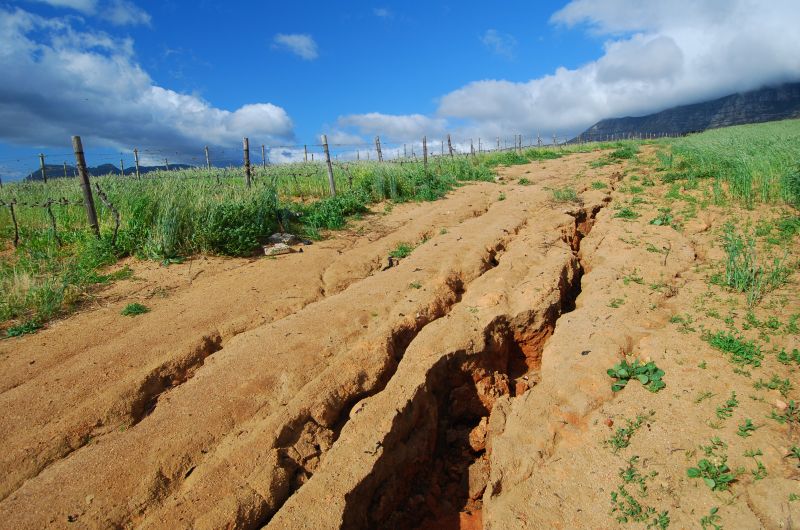
Finishes and colors that play nicely with Hillside Erosion Controls.
Hillside erosion controls are essential measures designed to prevent soil loss and slope instability. They are particularly important in areas with steep terrain where rainfall and runoff can accelerate erosion processes. Proper timing of installation and maintenance can significantly enhance their effectiveness, reducing the risk of landslides, sediment runoff, and property damage. Erosion control methods include vegetation planting, retaining walls, geotextiles, and drainage systems, each suited to different hillside conditions. Statistics indicate that hillside erosion contributes to approximately 70% of sediment pollution in waterways, emphasizing the importance of timely intervention.
Optimal timing for hillside erosion controls depends on local climate, rainfall patterns, and slope conditions. Generally, installation before the rainy season or during dry periods allows for better establishment of vegetation and stabilization structures. In regions with distinct seasons, spring and fall are often preferred for initial installation, while regular inspections and repairs should be conducted during summer. Properly timed erosion control efforts can reduce soil loss by up to 80%, preserving land integrity and preventing environmental degradation.
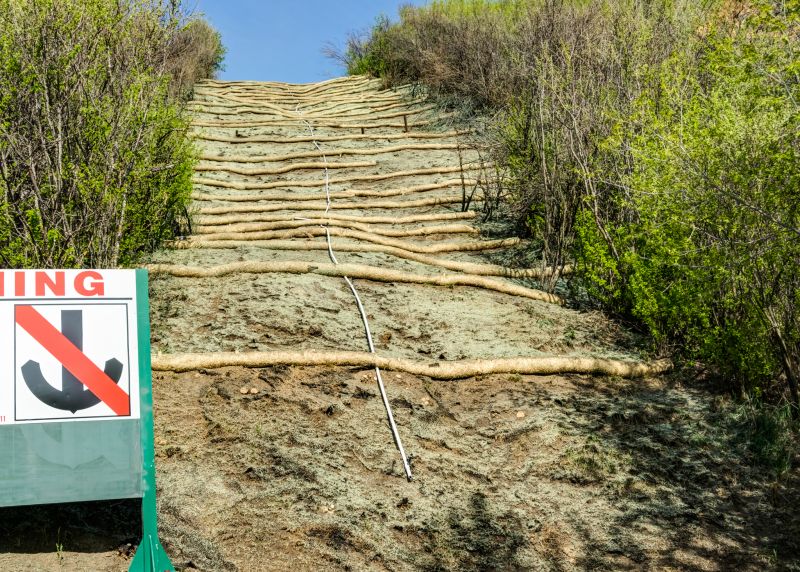
Proper installation before rainy seasons maximizes soil stabilization.
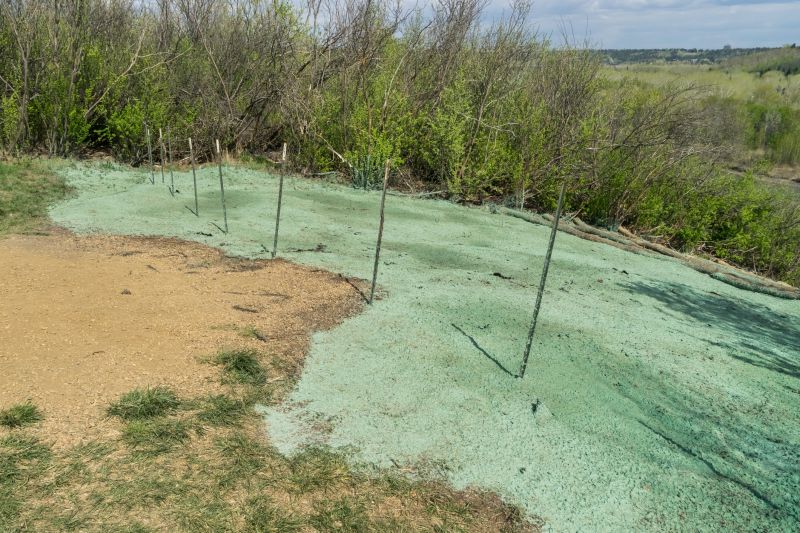
Planting in early spring promotes root growth and slope stabilization.
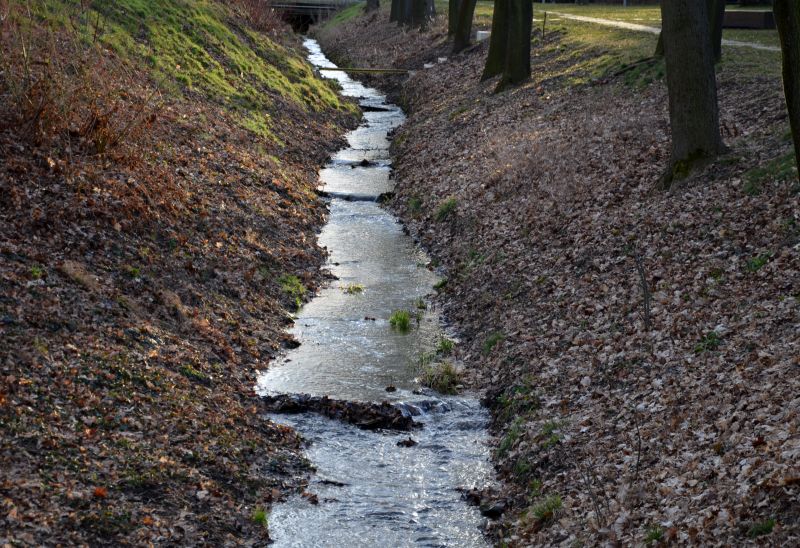
Proper drainage installation during dry periods prevents erosion during storms.
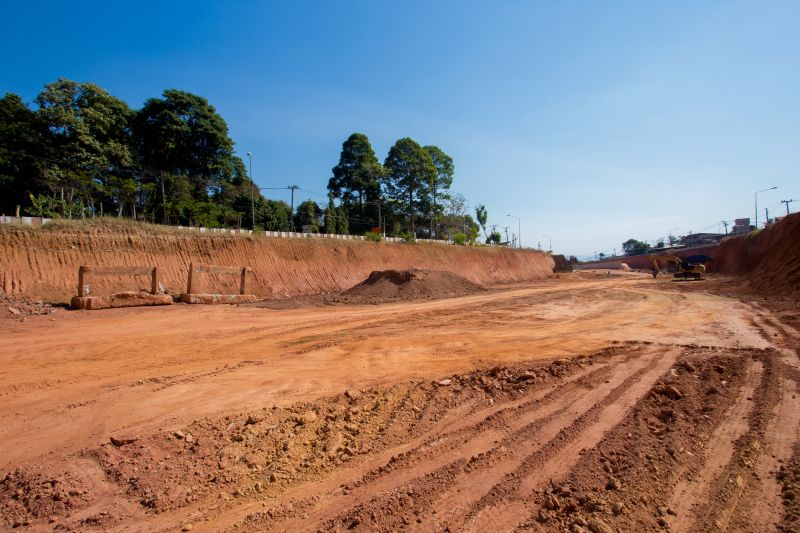
Reinforcing slopes during fall prepares for winter weather conditions.

Little measurements that prevent headaches on Hillside Erosion Controls day.
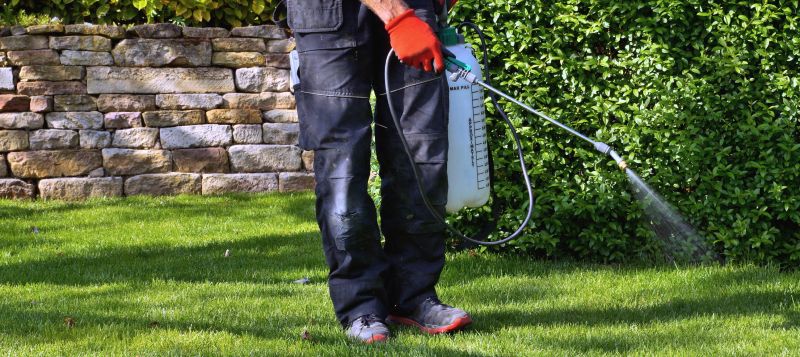
A 60-second routine that keeps Hillside Erosion Controls looking new.
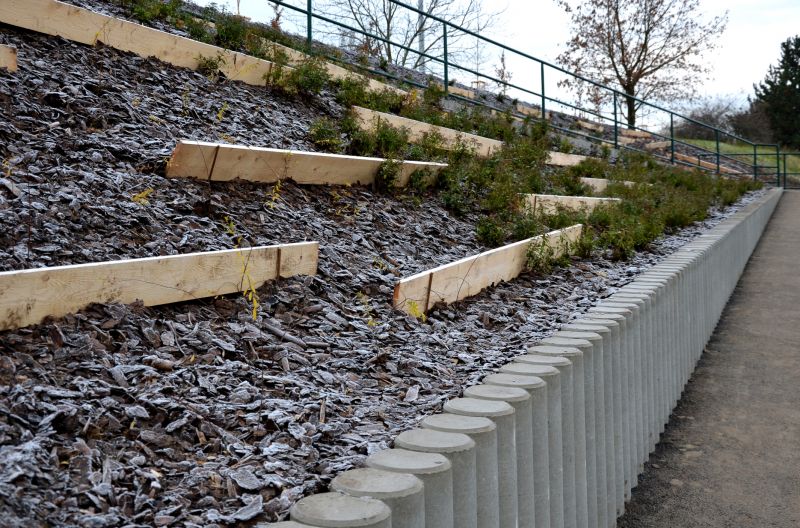
A frequent mistake in Hillside Erosion Controls and how to dodge it.
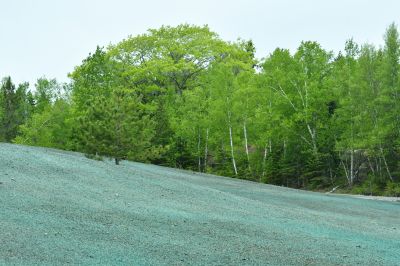
Small tweaks to make Hillside Erosion Controls safer and easier to use.
| Season | Recommended Activities |
|---|---|
| Spring | Install erosion control measures; plant vegetation; prepare slopes for rain. |
| Summer | Inspect and maintain existing controls; ensure proper drainage. |
| Fall | Reinforce structures; plant cover crops; prepare slopes for winter. |
| Winter | Limited activity; focus on inspections if weather permits. |
Timing is critical for effective hillside erosion control. Installation during appropriate seasons ensures that vegetation can establish roots, and structures can settle before heavy rainfall or snow. Regular monitoring and maintenance during dry seasons help identify vulnerabilities and prevent erosion issues. Properly timed efforts can lead to a significant reduction in soil loss, preserving hillside stability and preventing sediment runoff into waterways.
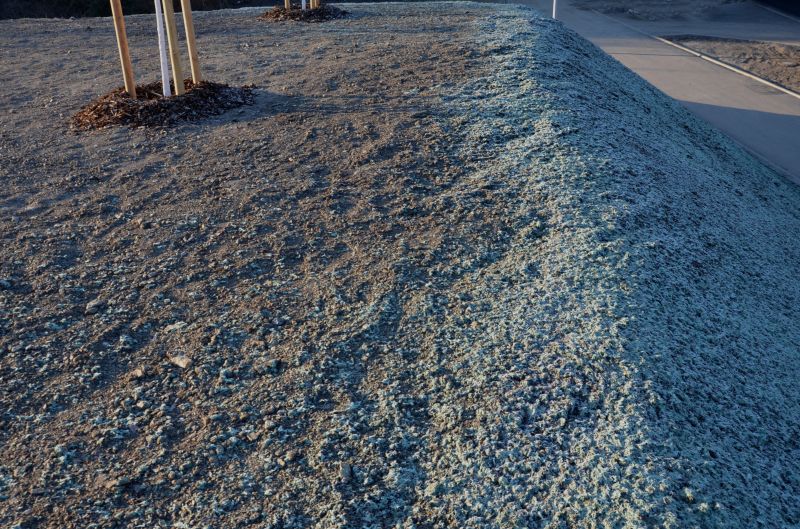
Planting in early spring helps prevent erosion during rainy seasons.
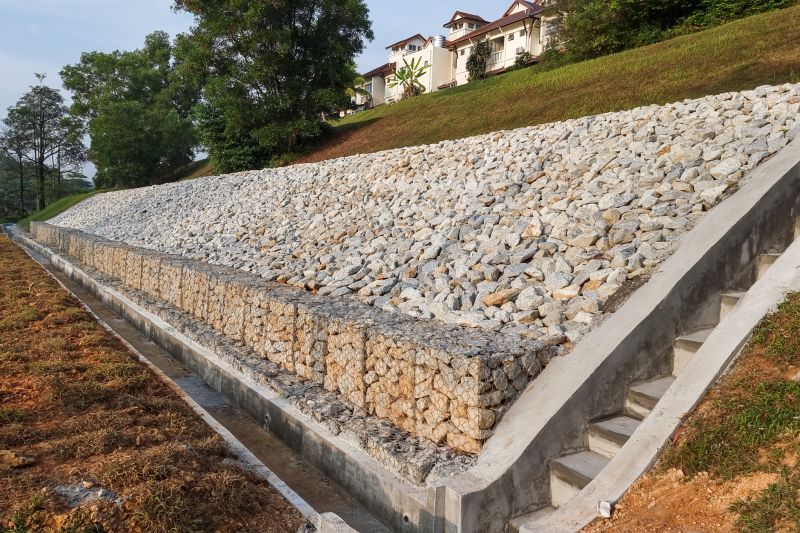
Installing barriers in fall prepares slopes for winter conditions.
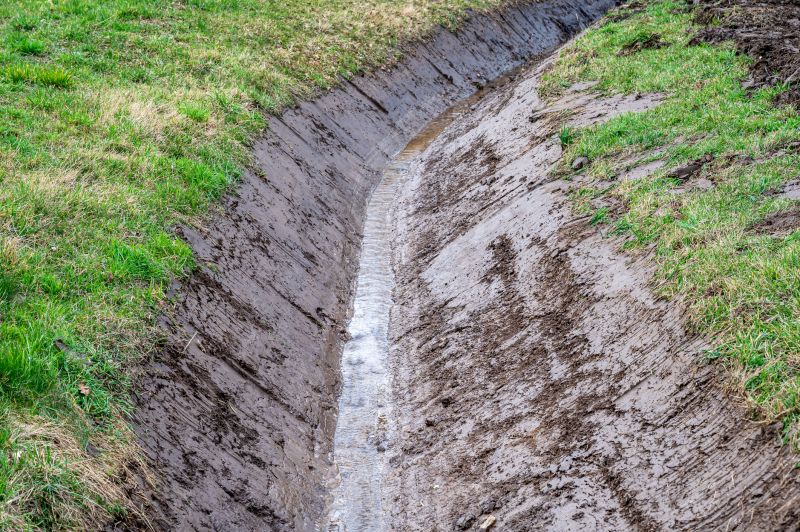
Proper drainage setup during summer reduces runoff impact.
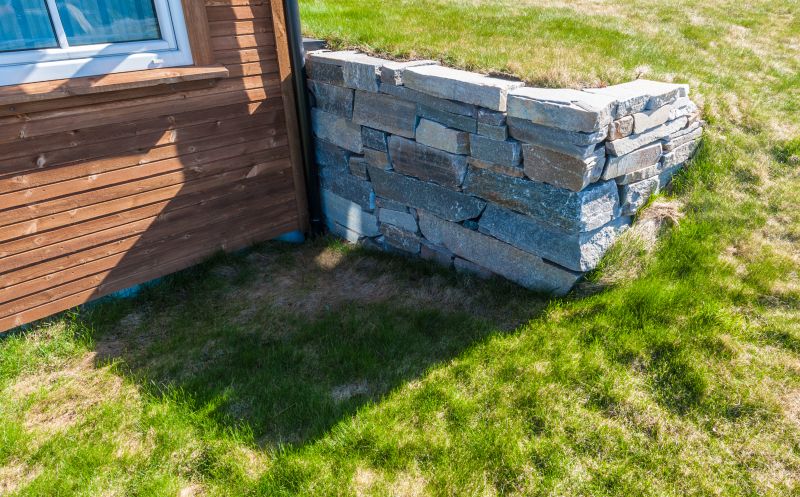
Reinforcing slopes in fall ensures stability through winter.
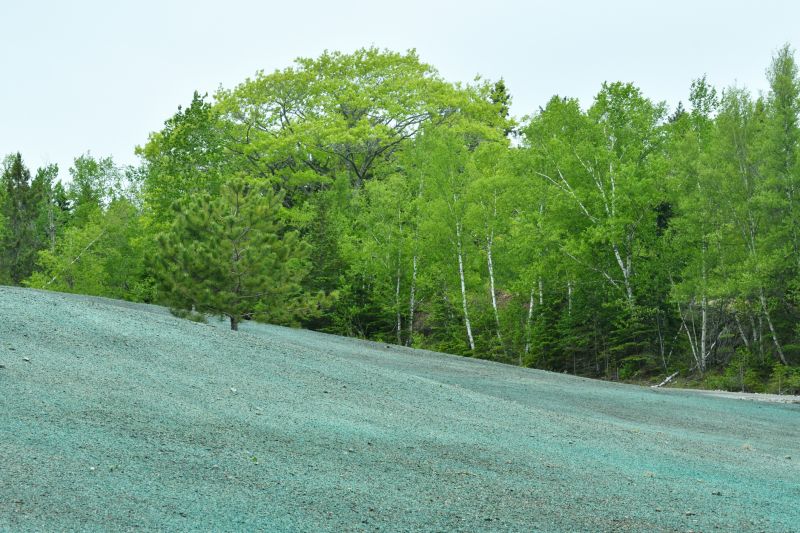
Lower-waste or water-saving choices for Hillside Erosion Controls.
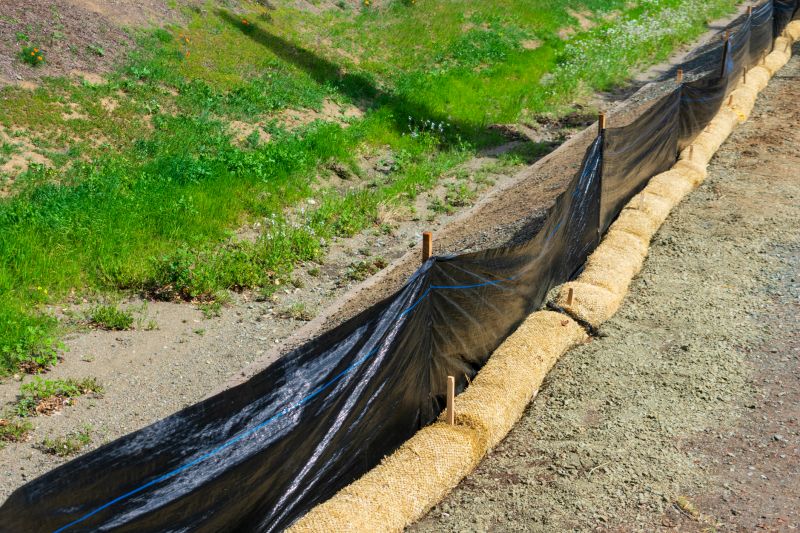
The short, realistic tool list for quality Hillside Erosion Controls.
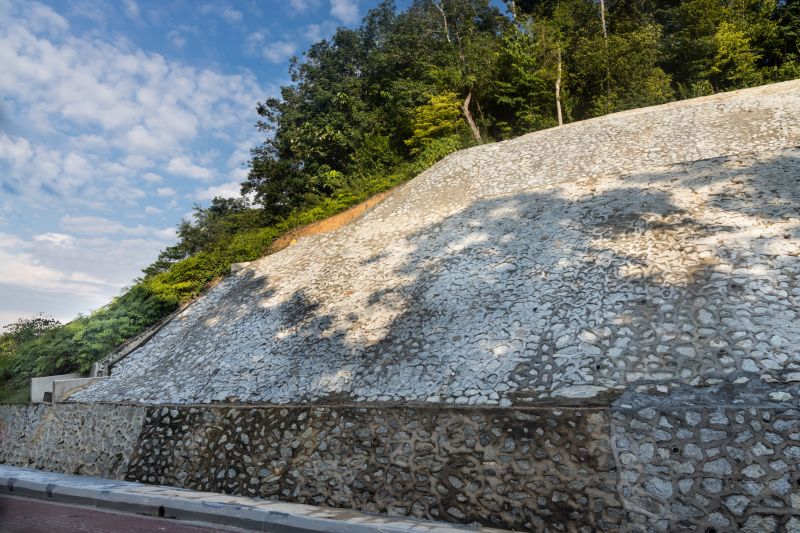
Rough timing from prep to clean-up for Hillside Erosion Controls.
Quick checks and paperwork to keep after Hillside Erosion Controls.
Choosing the right time for hillside erosion controls involves considering seasonal rainfall, soil conditions, and vegetation growth cycles. Early planning and implementation during suitable periods enhance the durability and effectiveness of erosion prevention measures. Proper timing reduces long-term maintenance costs and minimizes environmental impact by controlling sediment displacement.
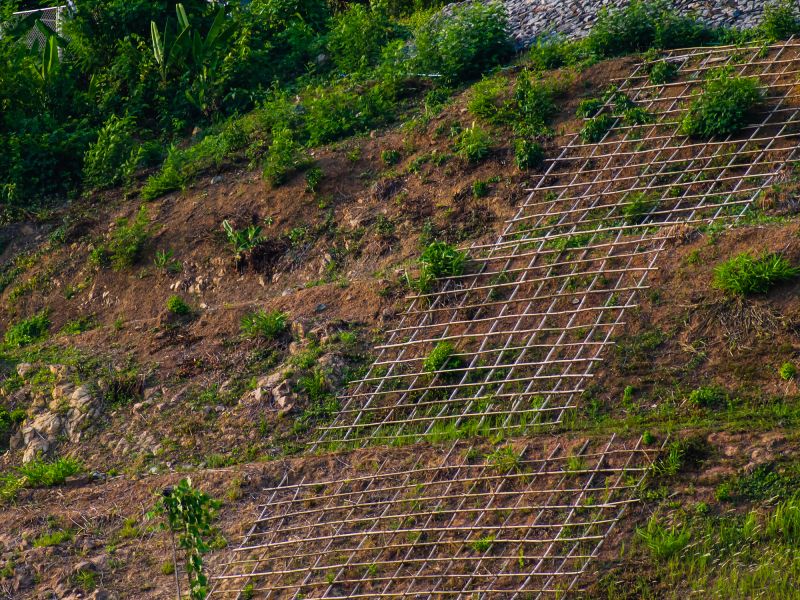
Proper timing ensures maximum effectiveness of erosion measures.
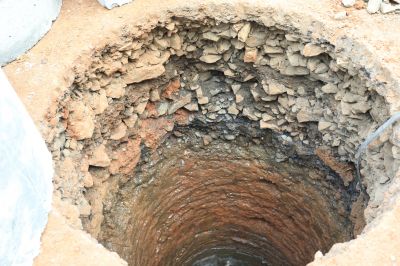
Timing during dry seasons aids in structural stability.
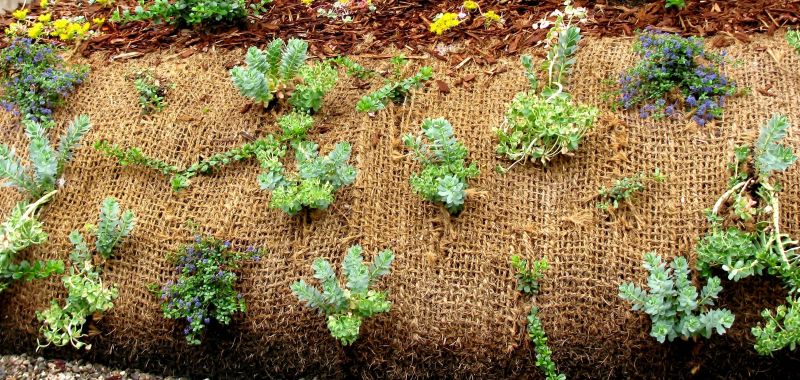
Planting in spring promotes strong root systems.
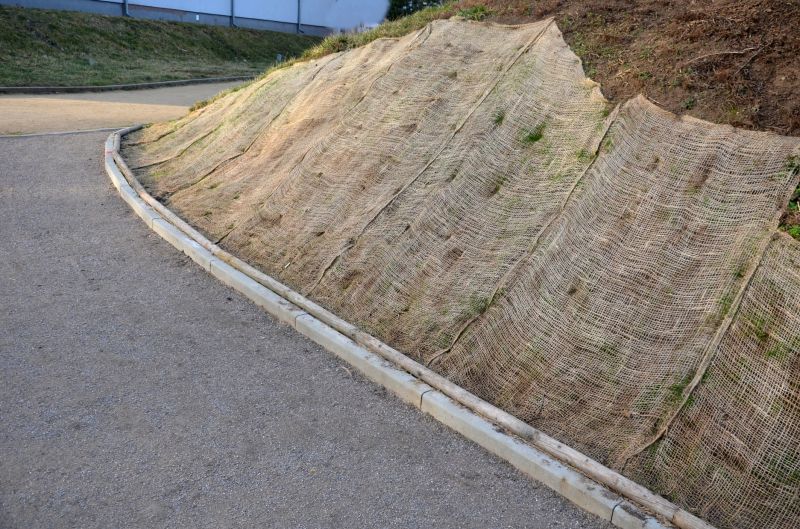
Pre-season installation prepares slopes for heavy rain.
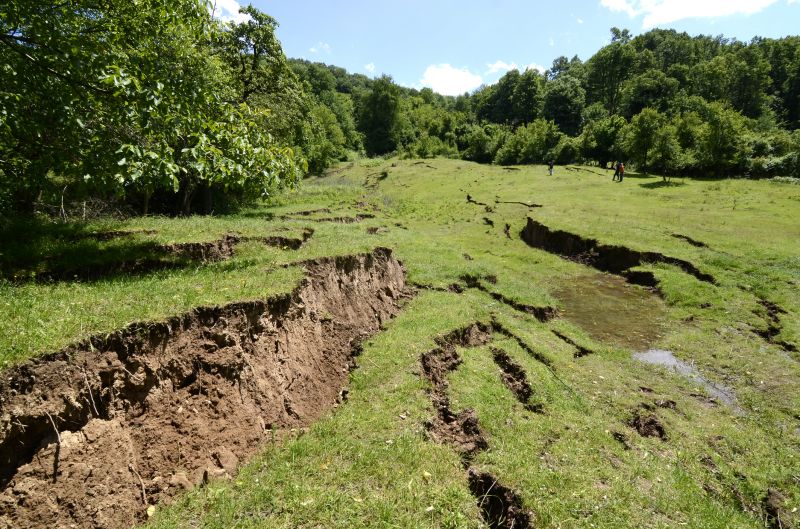
Examples that show the impact a good Hillside Erosion Controls can make.
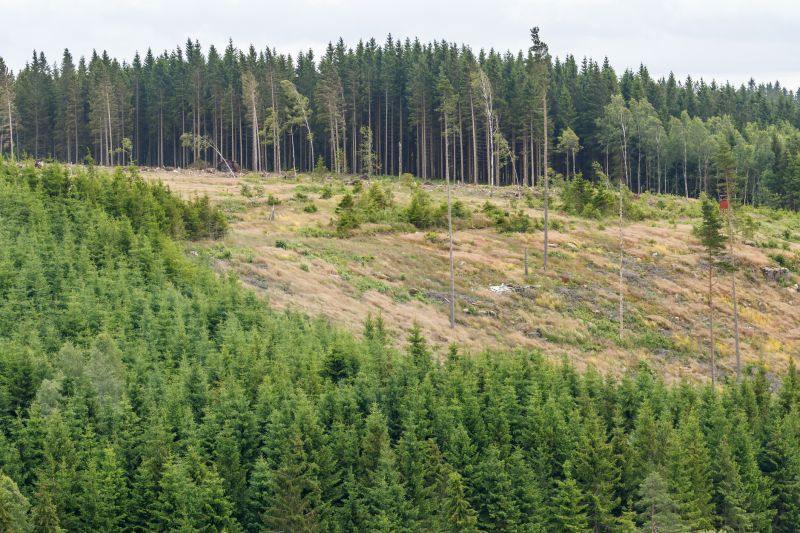
Ways to make Hillside Erosion Controls work in tight or awkward layouts.
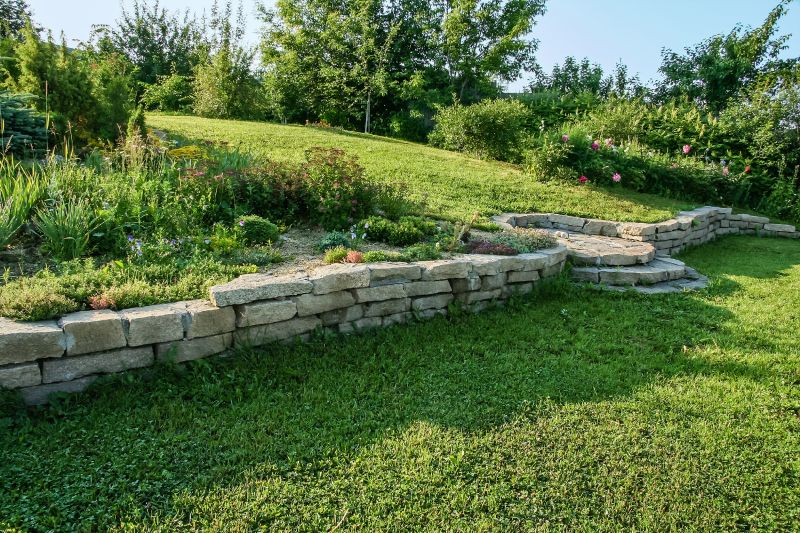
Ways to make Hillside Erosion Controls work in tight or awkward layouts.
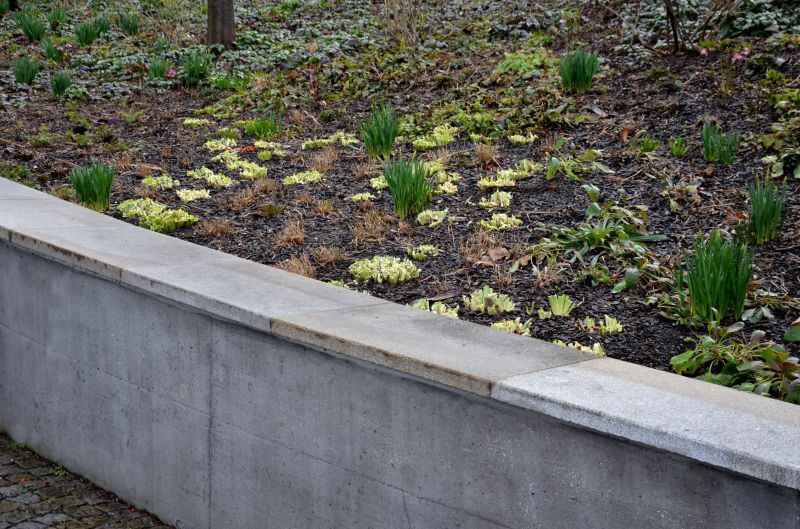
Ways to make Hillside Erosion Controls work in tight or awkward layouts.
Interested parties are encouraged to contact for more information on hillside erosion control options and timing strategies. Properly timed interventions can significantly reduce soil loss and slope failure risks, ensuring land stability and protecting infrastructure.
Ways to make Hillside Erosion Controls work in tight or awkward layouts.
Ways to make Hillside Erosion Controls work in tight or awkward layouts.
Ways to make Hillside Erosion Controls work in tight or awkward layouts.


