
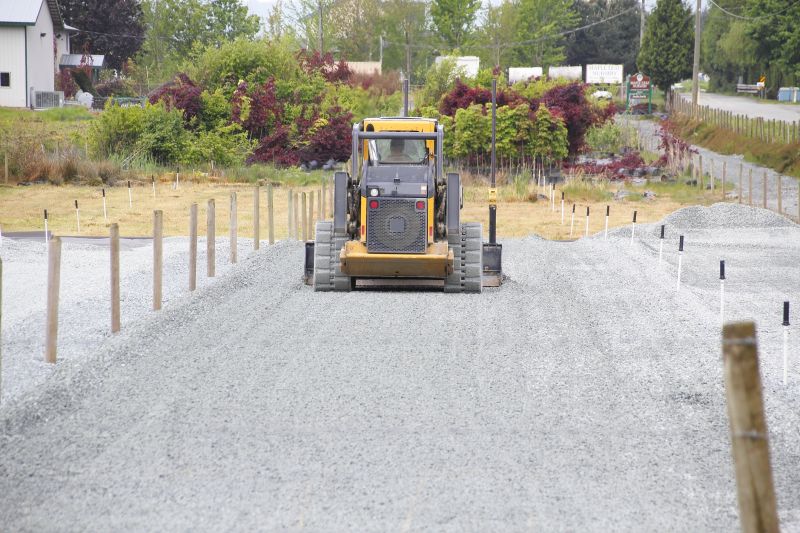
Parking Lot Excavation in Salt Lake City, UT
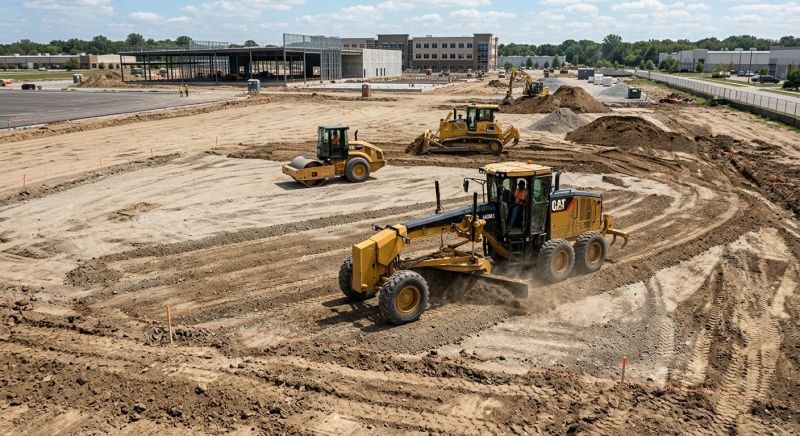
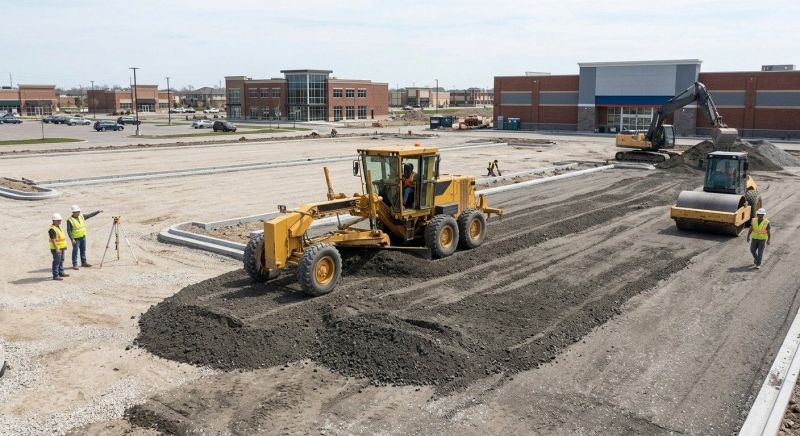
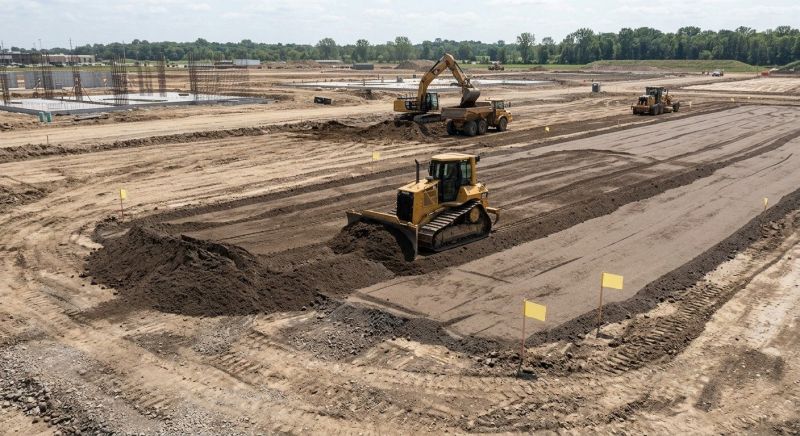
Parking lot excavation services involve the removal and preparation of soil and existing pavement to create a stable foundation for new parking areas. This process is essential for projects such as constructing new driveways, expanding existing parking lots, or preparing sites for paving. Property owners typically seek excavation services to ensure proper drainage, level surfaces, and a solid base that supports long-term durability and safety for vehicles and pedestrians.
Before requesting parking lot excavation, property owners should consider the size and scope of the project, including the total area to be excavated and any existing structures or underground utilities that may need to be relocated or protected. Understanding site conditions, such as soil type and drainage patterns, can help determine the appropriate excavation approach. Clear communication about project goals and site specifics can facilitate a smooth process and ensure the completed work meets expectations.
Many property owners in Salt Lake City, UT look into Parking Lot Excavation for repairs, replacements, upgrades, and appearance-related improvements.
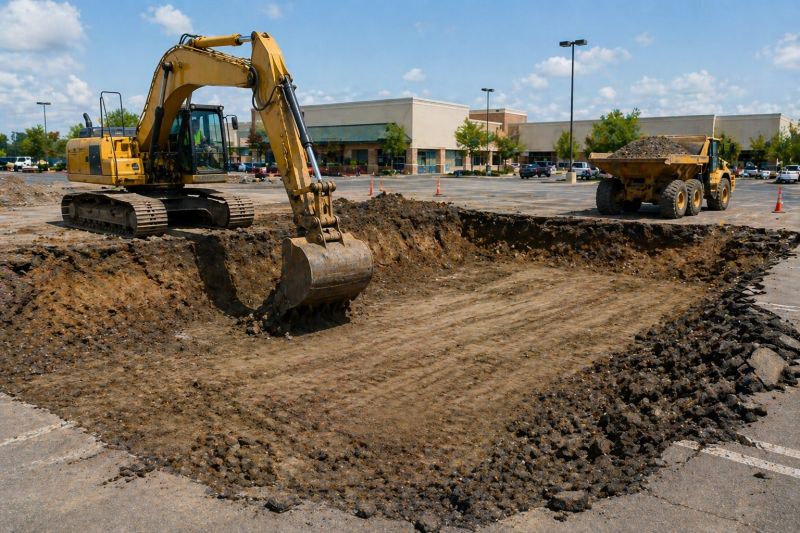
Site Preparation For Parking Lots
Proper excavation ensures a stable foundation for parking lot construction and resurfacing projects.
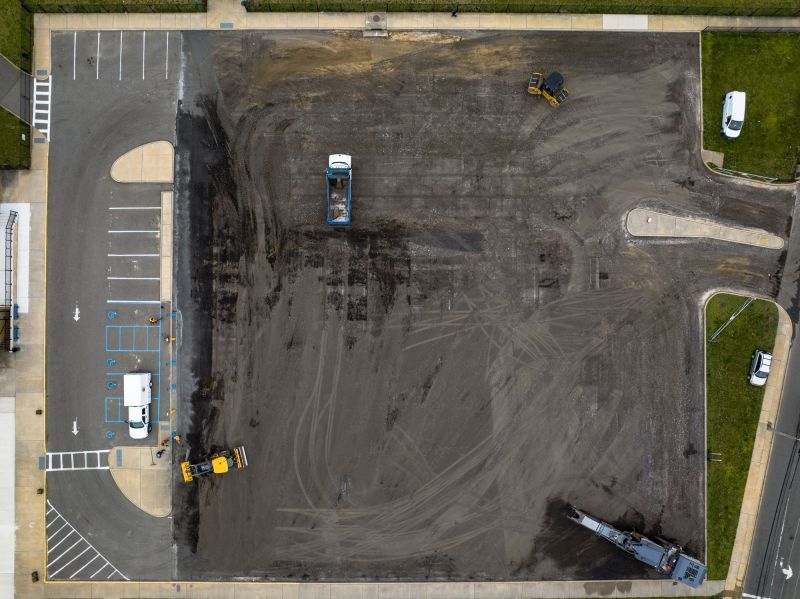
Driveway And Parking Area Expansion
Excavation services help create additional parking space or improve existing layouts in salt lake city neighborhoods.
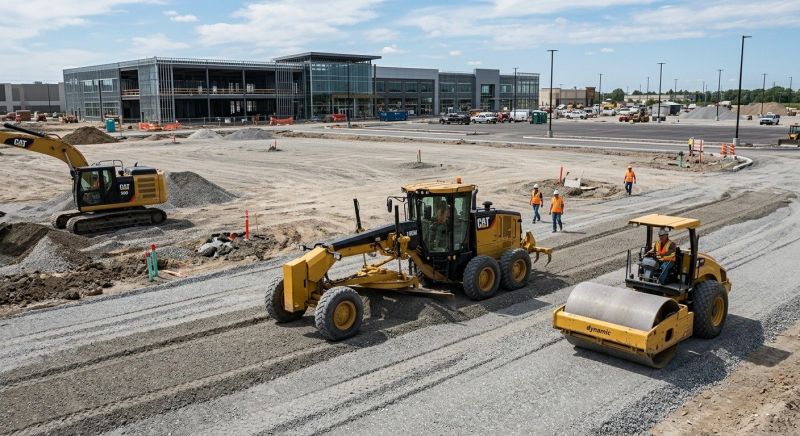
Drainage And Grading Solutions
Effective excavation addresses drainage issues and ensures proper grading for long-lasting parking surfaces.
Parking Lot Excavation in Salt Lake City, UT

Parking lot excavation services involve the removal and preparation of soil and existing pavement to create a stable foundation for new parking areas. This process is essential for projects such as constructing new driveways, expanding existing parking lots, or preparing sites for paving. Property owners typically seek excavation services to ensure proper drainage, level surfaces, and a solid base that supports long-term durability and safety for vehicles and pedestrians.
Before requesting parking lot excavation, property owners should consider the size and scope of the project, including the total area to be excavated and any existing structures or underground utilities that may need to be relocated or protected. Understanding site conditions, such as soil type and drainage patterns, can help determine the appropriate excavation approach. Clear communication about project goals and site specifics can facilitate a smooth process and ensure the completed work meets expectations.
Many property owners in Salt Lake City, UT look into Parking Lot Excavation for repairs, replacements, upgrades, and appearance-related improvements.
Common Parking Lot Excavation Jobs
Parking Lot Excavation - Prepares the site for new pavement or asphalt installation.
Driveway Expansion - Creates space for additional parking or improved access.
Drainage Improvements - Excavates to install proper drainage systems and prevent water pooling.
Existing Surface Removal - Clears old pavement or concrete before repaving or resurfacing.
Site Grading - Ensures a level surface for safe and durable parking areas.
Subgrade Preparation - Stabilizes soil to support heavy loads and extend pavement life.
Parking Lot Excavation Questions
What is parking lot excavation? It involves removing soil and existing materials to prepare a site for new pavement or landscaping.
What types of projects require excavation? Projects include new parking areas, driveway expansions, or resurfacing existing lots.
What should property owners consider before excavation? It’s important to assess site conditions and ensure proper grading for drainage and stability.
How does excavation impact property drainage? Proper excavation helps direct water flow away from the lot, preventing pooling and erosion.
Request Parking Lot Excavation in Salt Lake City, UT
Use the quote form on this page to share the basics of your project and request more information for the type of work you need.


