
Favorite Erosion Control Products For Sloped Land Management
Identify trusted products that provide effective hillside stabilization and minimize soil displacement over time.
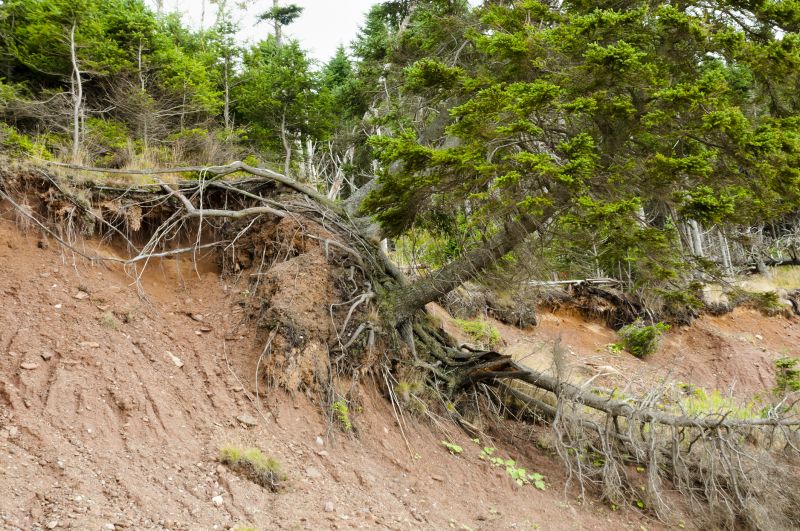 Hillside erosion control products are essential tools for stabilizing slopes and preventing soil loss in areas prone to erosion. These products come in various forms, designed to work with different terrain types and project requirements. Proper selection and installation of erosion control measures can significantly reduce the risk of land degradation, protect landscaping, and maintain the integrity of hillside structures.
Top Overall Option
Erosion Control Blanket
Erosion control blankets are versatile and widely used for hillside stabilization. They typically consist of natural or synthetic fibers that are laid over the soil surface to protect against erosion caused by rainfall and runoff. These blankets promote vegetation growth by providing a stable environment for seed establishment, making them suitable for long-term erosion management. Their ease of installation and effectiveness in various terrain types make them a popular choice for hillside projects.
Types of Products For Hillside Erosion Controls
Erosion Control Blankets and Mats
Materials designed to cover soil surfaces, promoting vegetation and preventing erosion.
Retaining Walls
Structures built to hold back soil and stabilize slopes, often made from concrete, stone, or modular blocks.
Gabions
Wire mesh cages filled with rocks or other materials, used to stabilize slopes and control runoff.
Silt Fences
Barrier fences that trap sediment and slow water flow during construction or heavy rains.
Fiber Rolls and Wattles
Cylindrical barriers made of natural or synthetic fibers to slow runoff and trap sediment.
Geotextile Fabrics
Permeable fabrics used to reinforce soil, improve drainage, and prevent erosion.
Terracing Systems
Constructed steps or platforms that reduce slope length and runoff velocity.
Drainage Channels and Pipes
Designed to direct water flow away from vulnerable areas and reduce erosion risk.
Vegetative Cover Plants
Plants selected to establish a natural ground cover that stabilizes soil over time.
Hydroseeding Kits
Spray-on seed mixtures combined with mulch and fertilizer for quick vegetation establishment.
Soil Stabilization Additives
Chemical or organic agents that improve soil cohesion and reduce erosion susceptibility.
Rock Armoring
Placement of large rocks or riprap to protect slopes from water impact and erosion.
Check Dams
Small barriers constructed across drainage channels to slow water flow and promote sediment deposition.
Bioengineering Solutions
Combination of live plants, biodegradable fabrics, and structural elements for hillside stabilization.
Soil Nailing Systems
Steel or fiberglass bars inserted into slopes to reinforce soil and prevent slips.
Popular Choices
Widely used for hillside stabilization, offering a combination of fiber reinforcement and seed support.
Effective for temporary erosion control and sediment trapping on slopes.
Commonly employed during construction to contain sediment and reduce runoff.
Popular for their durability and aesthetic appeal in hillside stabilization projects.
Flexible modular systems suitable for various slope stabilization needs.
A quick method for establishing vegetation on bare soil surfaces.
Versatile reinforcement materials used under many erosion control applications.
Commonly installed along slopes and channels to prevent soil displacement.
Designed to divert water flow and minimize erosion in vulnerable areas.
Selection of ground cover plants to naturally stabilize hillside soils.
Chemical solutions applied to soil surfaces to enhance cohesion and reduce erosion.
Small barriers installed across streams or channels to slow water flow.
Biodegradable mats combined with live plant materials for hillside stabilization.
Constructed steps to reduce slope gradient and control runoff.
Underground systems to manage water flow and reduce erosion risk.
Effective hillside erosion management often involves a combination of products tailored to the specific conditions of the site. For example, vegetative solutions such as erosion control blankets and mats promote natural plant growth, which helps hold soil in place over time. Structural solutions like retaining walls and gabions provide immediate stabilization, especially on steep slopes or areas with high water flow.
In addition to these, there are various types of barriers, such as silt fences and fiber rolls, which serve to slow runoff and trap sediment, minimizing soil displacement during heavy rains. Geotextiles and mesh fabrics are also commonly used to reinforce soil and improve drainage. When selecting erosion control products, it is important to consider the slope gradient, soil type, water flow intensity, and long-term maintenance needs.
Implementing the right combination of hillside erosion control products can help safeguard land, prevent property damage, and support sustainable land management practices. Consulting with erosion control specialists or landscape professionals can assist in designing an effective erosion mitigation plan tailored to specific hillside conditions.
Key Buying Considerations
- Assess the slope gradient and soil type to determine suitable erosion control solutions.
- Evaluate the expected water flow and runoff volume during heavy rains.
- Consider the long-term maintenance requirements of the chosen products.
- Select materials that are compatible with the site's environmental conditions.
- Determine whether temporary or permanent stabilization is needed.
- Ensure ease of installation and availability of professional support if necessary.
- Check for product durability and resistance to weathering or degradation.
- Consider the aesthetic impact of the erosion control measures on the landscape.
- Review local regulations or guidelines related to hillside stabilization.
- Estimate project budget and compare the cost-effectiveness of different options.
- Evaluate the potential for vegetation establishment and growth support.
- Identify the need for structural versus vegetative solutions based on slope severity.
- Look for products with proven performance in similar terrain conditions.
- Plan for future inspections and maintenance to ensure ongoing stability.
- Incorporate a combination of products for a comprehensive erosion management plan.